Why a Family Monitored Alarm Makes Sense for Senior Care in New Zealand
When my mother started living alone after my father passed, the worry crept in quietly. She was sharp, independent, and stubborn in the best way. But a fall in the garden, a dizzy spell in the bathroom, a moment of confusion about the stove - these things happen fast, and they can change everything. We talked about a medical alert system, but the options felt impersonal. Then I came across the idea of a family monitored alarm, and it clicked. Instead of an anonymous call centre, the alert goes straight to the people who know her best.
This approach is gaining traction in New Zealand, where families are spread out but still want to stay closely involved in senior care. A family monitored alarm shifts the model from "call a stranger" to "call your daughter or son." It treats the emergency alert as a personal conversation, not a dispatch log. For anyone helping a parent or grandparent age in place, that difference matters.
What Makes a Family Monitored Alarm Different
A conventional personal alarm typically connects the wearer to a central monitoring station. When the button is pressed, a trained operator answers, assesses the situation, and decides whether to contact emergency services or a family member. That works for many people, but it comes with monthly fees and a layer of separation. A family monitored alarm flips the process: the alert goes directly to a designated family caregiver, often via a smartphone app, text message, or phone call. The family member decides what to do next.
This model works especially well when the senior is still relatively independent and the family lives within a reasonable distance. It keeps the emergency response in trusted hands and avoids the ongoing cost of a third-party call centre. Many modern systems still include fall detection and GPS tracking as part of the package, so the family gets a full picture of what happened and where.
The Real Need Behind the Technology
Statistics on falls among older adults are sobering. In New Zealand, falls are the leading cause of injury-related hospitalisations for people over 65. But the fear of falling often does more damage than the fall itself. It makes seniors hesitant to move around their own home, to go for a walk, to live freely. A well-designed medical alert system with mobility monitoring can ease that fear without removing the person’s sense of control.
A pendant alarm worn around the neck or a bracelet alarm on the wrist gives the wearer a way to call for help without shouting or crawling to a phone. When that alarm is family monitored, the senior knows exactly who will respond. There is reassurance in that familiarity. My mother said she would rather talk to me in a moment of panic than to a stranger who reads from a script.
Comparing the Options
It helps to look at what else is on the market. Life Alert is probably the most recognised name in personal alarms globally. It runs on the call centre model, with trained operators available around the clock. The service is reliable, but it comes with contract commitments and monthly fees that add up over the years. Philips Lifeline offers similar coverage and adds automatic fall detection as a standard feature on some models. Again, the monitoring goes through a central hub.
Bay Alarm Medical and CaregiverSmart offer hybrid approaches. They can send alerts to a monitoring centre or directly to a family member, depending on the plan. That flexibility is useful, but the pricing still reflects the infrastructure of a professional call centre. Home Instead, a well-known senior care franchise, sometimes recommends these devices to clients, but the choice often comes down to cost and how much involvement the family wants.
For many New Zealand families, the deciding factor is the fee structure. The phrase "no monthly fees" is rare in this industry, but some providers of family monitored alarms have built their business around that promise. You buy the hardware once, and the monitoring is handled by the family’s own phones and apps. There are no ongoing subscriptions, no contracts, no surprise charges. That model suits the New Zealand mindset of practicality and self-reliance.
How the Technology Actually Works
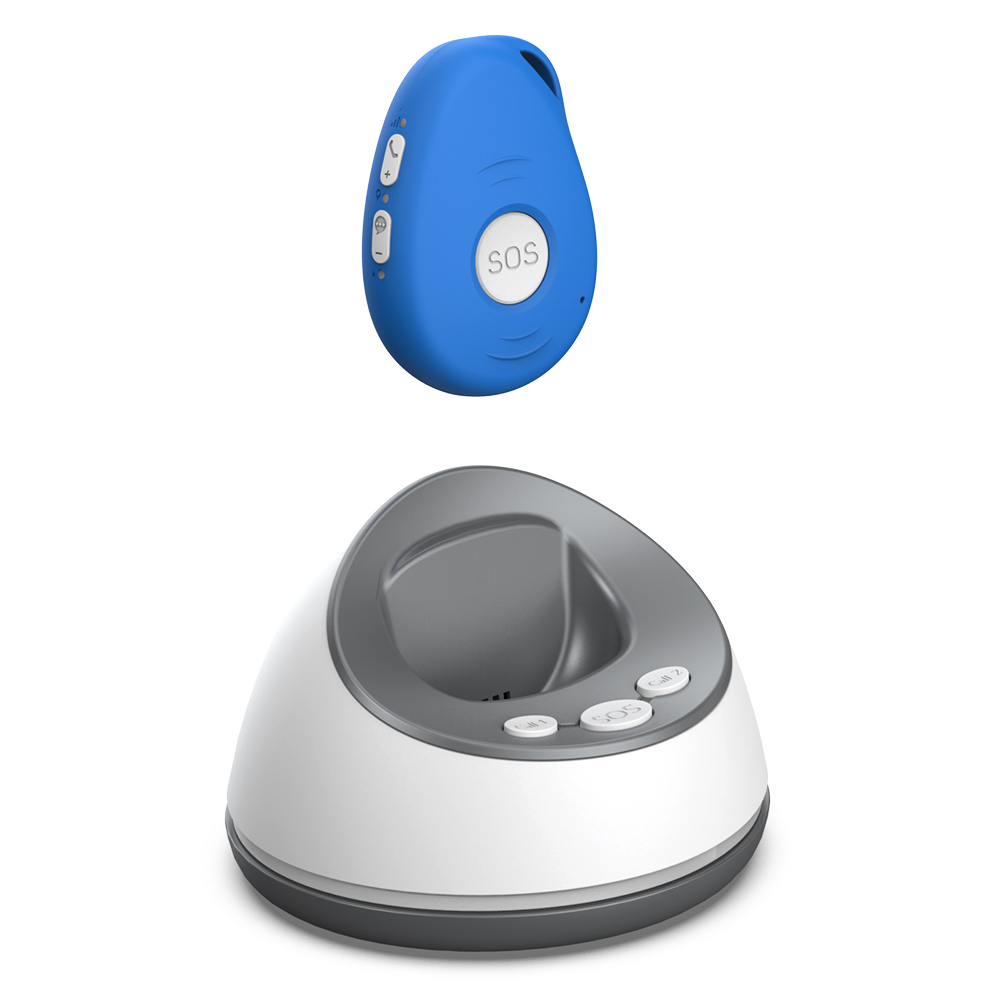
A modern family monitored alarm system typically includes a base unit connected to the home broadband, a wearable help button, and a smartphone app for the designated contacts. When the wearer presses the button, the base unit dials the family caregiver’s phone. Some systems use a two-way calling feature so the senior can speak directly to the caregiver through the base unit’s speaker and microphone. That avoids the need for the senior to hold a phone or remember a number.
Higher-end systems add GPS tracking and fall detection. The GPS means the alarm works outside the home, which is essential for seniors who still drive, walk to the shops, or visit friends. Fall detection uses sensors in the pendant or bracelet to recognise the impact and angle of a fall, then automatically triggers an emergency alert. The family receives a notification with the location and can call back to check in. This combination of features turns a simple button into a comprehensive safety net.
Practical Considerations for Families
Setting up a family monitored alarm requires a little forethought. Someone in the family needs to be reachable most of the time. That is not always realistic for a single person, but the system can list multiple contacts. If the primary caregiver does not answer, the alert moves to the next person on the list. Some families include a neighbour or a close friend as a backup.
The senior also needs to be comfortable wearing the device. A pendant alarm is familiar and easy to press, but some people find it gets in the way or catches on things. A bracelet alarm sits on the wrist and looks more like a watch, though the button may be smaller. It is worth trying both styles to see which one stays on. The best system in the world does nothing if it is sitting in a drawer.

Another factor is the home’s layout and connectivity. Most base units need a landline or a stable internet connection. In New Zealand, many older homes have thick walls that can weaken the signal between the pendant and the base unit. Testing the range before committing is a practical step that too many people skip.
When a Family Monitored Alarm Is Not Enough
There are situations where the family monitored model falls short. If the senior lives alone with no nearby family, or if the family caregivers work jobs where they cannot answer the phone, a professional monitoring centre may be a safer choice. Some medical conditions, such as epilepsy or severe diabetes, can cause rapid loss of consciousness, meaning the wearer cannot press a button. In those cases, automatic fall detection is critical, and the response needs to be fast and medically trained.
A good provider will be honest about these limitations. The goal is not to sell a system that does not fit, but to match the senior with the right level of support. For many families, the family monitored alarm strikes the right balance between safety, cost, and personal involvement. It keeps the care circle tight and the communication direct.
The Emotional Side of Staying Connected
What surprises many people is how much a personal alarm changes the daily dynamic between a senior and their family. Before the alarm, my mother called me several times a day just to check in, and I called her to make sure she was okay. Those calls were loving, but they carried an undercurrent of worry. After she started wearing a family monitored alarm, the worry eased. She knew she could reach me instantly if something went wrong, and I knew I would be notified. The calls became about her day, her garden, her plans - not about whether she had fallen.
That shift is hard to measure but deeply real. It is the difference between monitoring out of fear and connecting out of care. The technology fades into the background, and the relationship gets to be itself again.
Choosing a Provider in New Zealand
When looking for a family monitored alarm in New Zealand, the most important step is to check the coverage area and the reliability of the cellular or GPS network the system uses. Some international devices work poorly in rural New Zealand because they rely on roaming agreements or weak cellular bands. A provider based in New Zealand, with local support and a network designed for the country’s geography, will give a better experience.
Also ask about the battery life of the pendant or bracelet. A device that needs charging every day is a burden. Look for one that lasts at least a year on a standard battery. The base unit should have a backup battery for power outages, because a storm that knocks out the power is exactly when an alarm might be needed.

Pricing should be transparent. Some companies advertise low upfront costs but charge for activation, shipping, or a mandatory monthly plan. A true no monthly fees model means exactly that: you pay for the hardware, and the rest is free. That kind of honesty builds trust, especially when the product is meant to protect someone you love.
Making the Decision
There is no perfect solution that fits every family. The choice between a family monitored alarm and a professionally monitored medical alert system depends on geography, health conditions, family availability, and budget. But for a large number of New Zealand families, the family monitored model offers something the big call centres cannot: the reassurance that when an emergency alert comes in, it will be answered by a familiar voice. That voice knows the senior’s medical history, their personality, their fears, and their preferences. That voice can decide whether to call an ambulance or just say, "I’ll be there in ten minutes."
In the end, senior care is about preserving dignity and independence while staying safe. A family monitored alarm does not take over the senior’s life. It sits quietly in the background, ready to connect when needed. And for the family caregiver, it replaces a constant low-level anxiety with a simple, actionable plan. That peace of mind is worth more than any monthly fee could measure.